• All products are added to your cart.
1 / 1

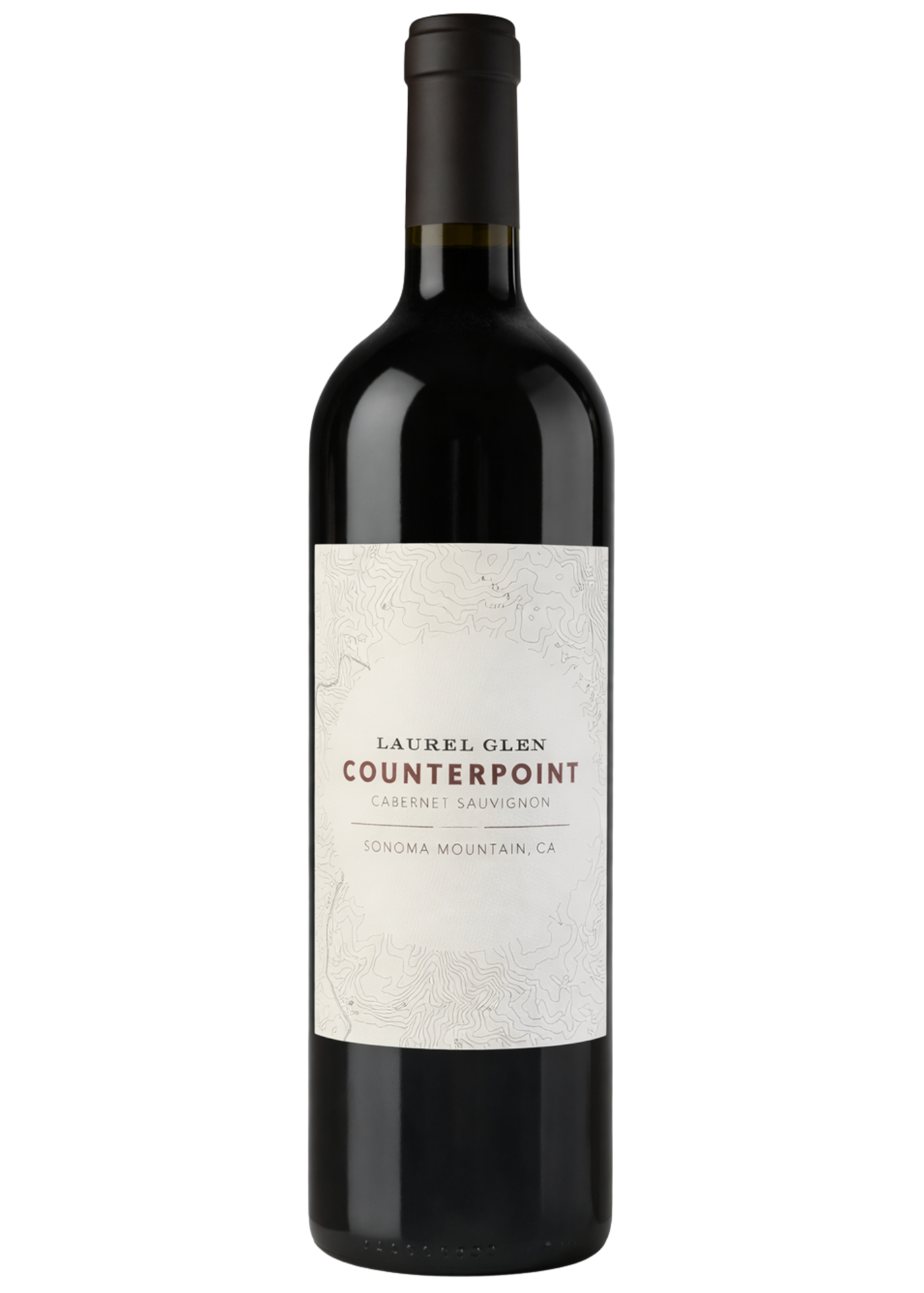
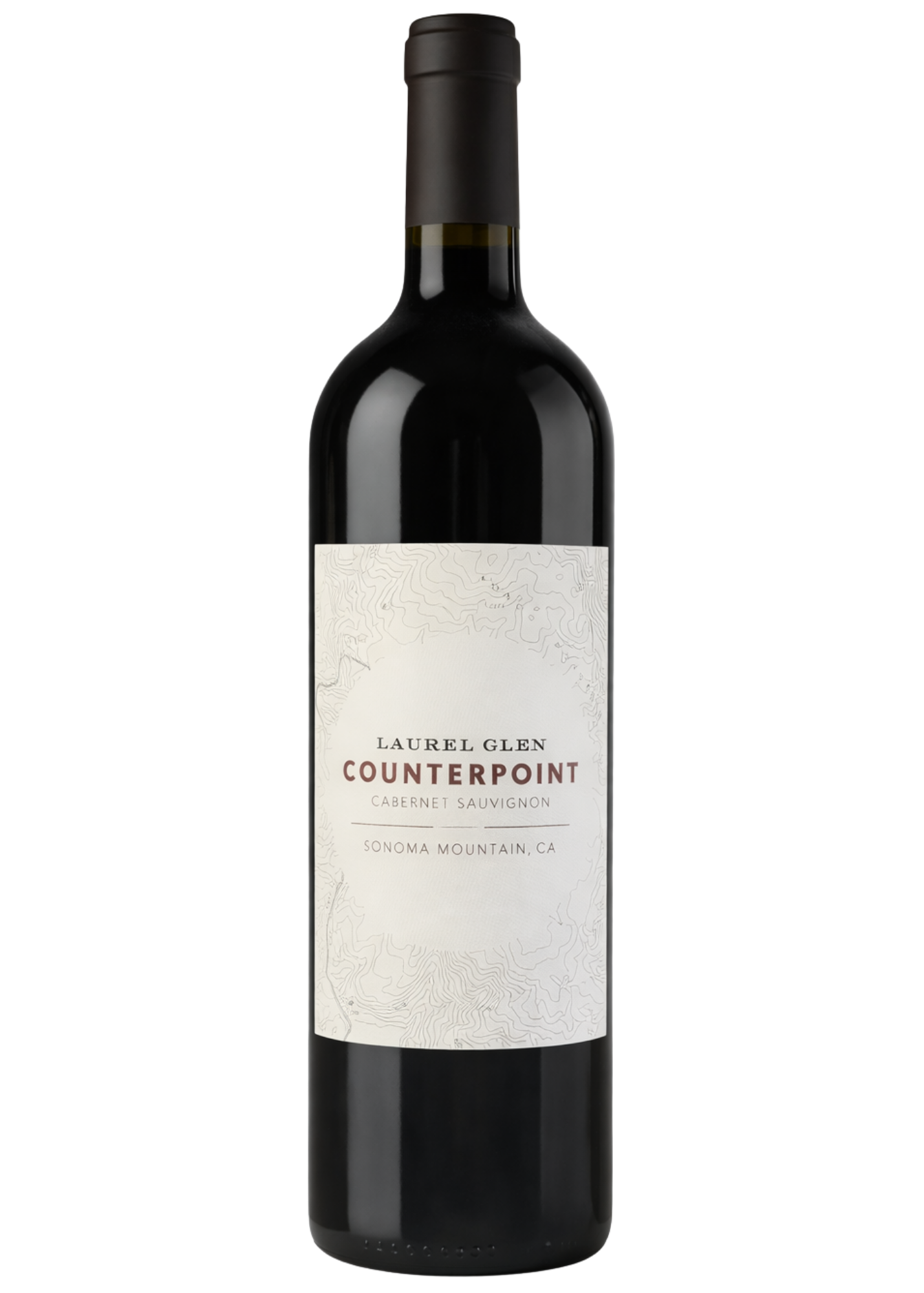
Laurel Glen ‘Counterpoint' Cabernet Sauvignon 2021

  • Reviews
    0 reviews
From proprietor Bettina Sichel. Organically farmed Sonoma Mountain Cabernet Sauvignon at 1,000 feet elevation. Dark cherry, volcanic mineral, and cedar with genuine structure. One of California's most consistent Cab values.
Available in store: Check availability
Ordered before 18:00:00, delivered tomorrow! You got: 03:39 hours

Description

Laurel Glen has been producing Cabernet from the same volcanic slope on Sonoma Mountain since 1981, earning a place among California's first-generation cult Cabernets before most of the current wine industry was paying attention. In 2011, Bettina Sichel — fifth generation of a Bordeaux wine family — took over as steward, converted the estate to certified organic farming, and built a team for the long term. 'Counterpoint' is the estate's more approachable expression: the generous version of the same exceptional vineyard, at a price point that makes Sonoma Mountain Cabernet genuinely accessible.


Quick Facts

  • Appellation: Sonoma Mountain, California
  • Varietal: 80% Cabernet Sauvignon, 10% Merlot, 10% Malbec
  • Proprietor: Bettina Sichel
  • Winemaker: Randall Watkins
  • Farming: Certified Organic (CCOF 2014)
  • Oak: 20 months French oak, ~30% new
  • ABV: 14.5%

Tasting Profile

  • Aroma: Dark cherry, dried thyme, cedar, graphite, cool volcanic mineral
  • Body: Medium-full
  • Fruit: Dark cassis and cherry; composed, focused, and site-driven
  • Oak: Present but integrated; adds structure and subtle spice without dominating
  • Texture: Firm, fine-grained tannins with real grip and excellent length
  • Finish: Long and structured; builds through the palate with a mineral, herbal edge

Why We Love It

Sonoma Mountain Cabernet at this level typically costs considerably more than $70. What Laurel Glen has built over four decades — and what Bettina Sichel has deepened since 2011 — is a vineyard with a genuinely distinctive voice: cooler than Napa valley floor, more mineral than most Sonoma appellations, shaped by volcanic soils that no winemaking technique can replicate. 'Counterpoint' puts that voice in a bottle that drinks well now and ages gracefully. It consistently outperforms its price point, and the story of what Bettina Sichel has built here deserves more attention than it gets.


Winemaking

'Counterpoint' is sourced from the more forward-drinking lots of Laurel Glen Vineyard fruit — the barrels that show generosity and approachability early, while the most structured and age-worthy lots are reserved for the flagship Laurel Glen Vineyard Cabernet Sauvignon. Both wines come from the same organically farmed, CCOF-certified estate on the eastern slope of Sonoma Mountain. Fermentation is with native yeast in open-top fermenters, consistent with the estate's practice across decades. The wine is aged 20 months in French oak (approximately 30% new), which contributes structure and a measured spice note without obscuring the volcanic site character. The vineyard is managed by Phil Coturri, Sonoma County's leading organic viticulturist, who has overseen the estate since Bettina Sichel's acquisition in 2011.


Women of Wine: Bettina Sichel

Bettina Sichel is the fifth generation of the Sichel family to work in the wine trade. Her father, Peter M.F. Sichel, built Blue Nun into one of the most recognized wine brands in the American market. The family's roots in Bordeaux span more than a century. Bettina did not inherit Laurel Glen — she chose it.

After a career that included more than a decade helping establish Quintessa as one of Napa Valley's preeminent estates, Sichel purchased Laurel Glen from founder Patrick Campbell in 2011 in partnership with a small group of wine lovers. She brought thirty years of experience working alongside some of California's finest Cabernet producers, and a clear vision for what Laurel Glen could become under serious, patient stewardship.

The decisions she made after the acquisition define the estate's current direction. Converting to certified organic farming, bringing in Phil Coturri to manage the vines, and building a long-term winemaking team around Randall Watkins reflected a commitment to the site's future rather than its existing reputation. Bettina Sichel represents a model of stewardship that is less visible than founding a label but no less consequential: taking something already exceptional, understanding what makes it that way, and doing the patient work of making it last.


Estate Overview

Laurel Glen Vineyard was established in 1977 when Patrick Campbell purchased a parcel of Cabernet Sauvignon vines on the top of Sonoma Mountain. The first wine under the Laurel Glen label was released from the 1981 vintage. Today the estate comprises 14 acres on the north end of Sonoma Mountain, broken into nine separate blocks, with the oldest vines on the property dating to 1968. The soils are volcanic red sand, a growing medium that contributes the mineral character present in every Laurel Glen wine. The east-facing slope sits above the fog line, providing diffused sun exposure and a long, moderate growing season that builds structure without sacrificing freshness. The Sonoma Mountain AVA encompasses only 667 vineyard acres, making it one of the smallest and most distinctive appellations in Sonoma County.


Serving & Pairing

Serve at 62–65°F. Decant for 30 to 45 minutes — the wine is approachable on opening but gains considerable complexity with air, with the mineral and herbal character becoming more pronounced and the tannins integrating. A large-bowled Bordeaux glass will do much of the same work if time is short. Excellent with roasted and braised red meats: lamb chops, braised short rib, roasted duck, and aged hard cheeses. The herbal mid-palate makes it particularly well suited to dishes with rosemary, thyme, or other savory herbs.


Drinking Window

Drink now through 2033. The 2021 vintage is in a pleasant early drinking window and shows well now, but the structure and volcanic mineral depth suggest significant development over the next eight to ten years. If buying multiple bottles, open one now and set the others aside — Laurel Glen Cabernets from strong vintages consistently reward patience.

Reviews